
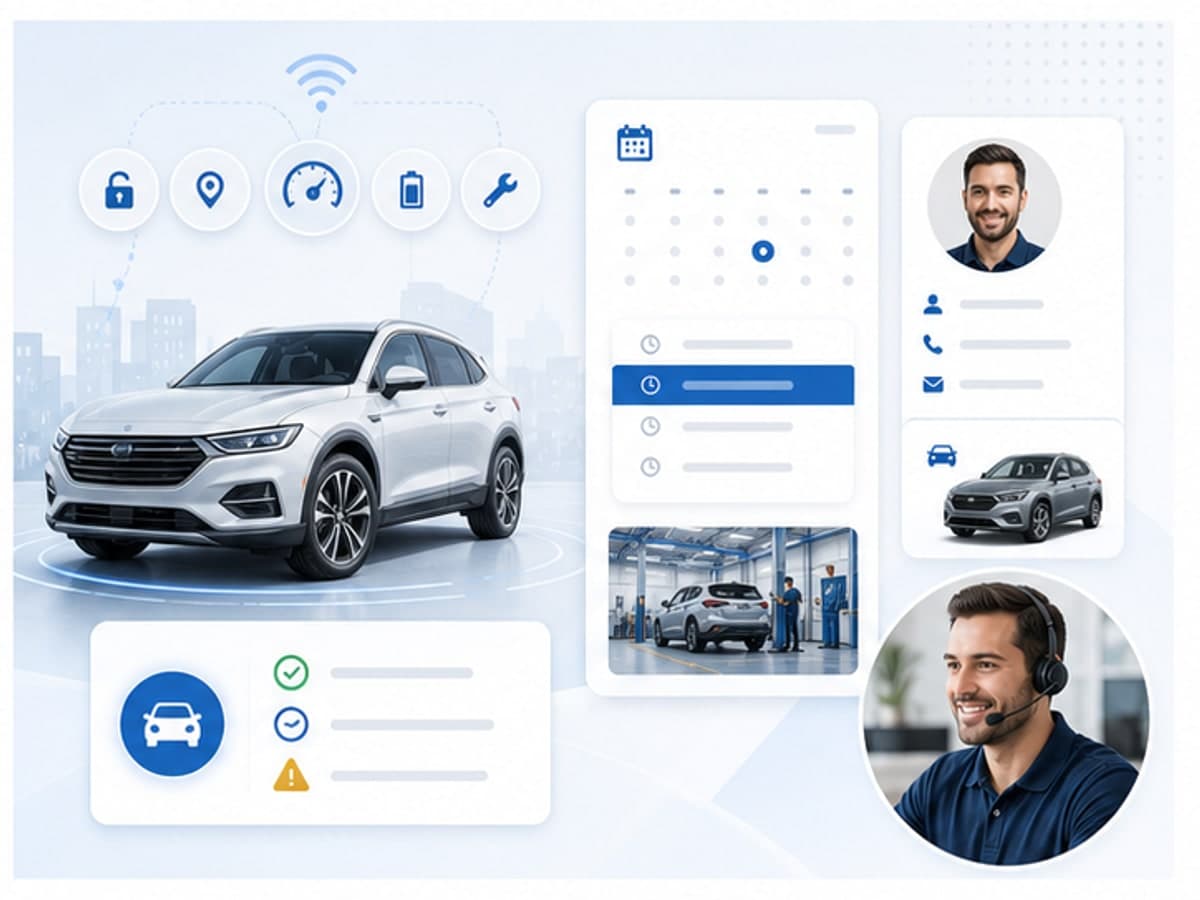
How manufacturers use outsourced call centers for order management, dealer and distributor support, parts and warranty lines, and technical triage — keeping channels served without building a service operation.
Manufacturers run more phone operations than they think
Manufacturing looks like a products business until you list the conversations it runs every day: distributors chasing orders and lead times, dealers needing pricing and availability, end customers registering warranties and requesting parts, field technicians needing documentation, and buyers asking pre-sales questions the website cannot answer. Most manufacturers staff these lines as an afterthought — a shared inbox here, an overloaded inside-sales desk there — and the result is slow answers that quietly cost orders and dealer goodwill.
The lines manufacturers outsource
Order desk and order management
Order entry, status, changes, expediting requests, and proof-of-delivery questions — handled against the ERP with defined authority levels. This is high-volume, process-driven work that outsourced teams run well, and it frees inside sales for actual selling.
Dealer and distributor support
Your channel partners sell more of what is easy to buy. A dedicated dealer line for availability, pricing, programs, claims, and marketing materials — answered quickly by people trained on your catalog — is one of the cheapest channel-loyalty investments available.
Parts identification and fulfillment
Aftermarket parts calls need patient, catalog-literate agents who can get from "the round thing on the left side" to a part number. Done well, the parts line is a revenue center, converting service calls into orders and cross-sells.
Warranty registration and claims intake
Registration capture, claim intake against defined criteria, documentation collection, and status updates — with clean escalation to engineering or quality teams when a claim needs judgment.
Tier-1 technical triage
Outsourced agents resolve documented issues from the knowledge base — setup, basic troubleshooting, documentation requests — and escalate genuine engineering matters with proper context. See our technical support outsourcing guide for how tiering works.

What makes manufacturing programs different
- Product training is the ramp. Catalog depth, spec literacy, and knowing what they don't know. Budget real training time and keep the knowledge base current — it is the program's foundation.
- Systems access decides speed. Agents need live ERP/CRM visibility into orders, inventory, and lead times. A team quoting from stale data creates the callbacks it was hired to prevent.
- Seasonality and launches: flexible capacity absorbs the spikes that used to bury the inside team every spring or every launch.
- B2B tone: dealer and distributor callers are professionals on the clock. The service standard is speed and accuracy over scripted warmth.
Global Empire Corporation runs order desk, dealer support, and warranty programs for manufacturers with ERP-integrated agents and defined escalation to your engineering and quality teams. Explore our manufacturing BPO services and back-office support services, or request a proposal.
Support that keeps a dealer network loyal
Most manufacturing support is business-to-business, and the caller is usually not the end user of the product — it is a dealer, a distributor, an installer or a maintenance contractor, calling with a production schedule or a customer of their own waiting on the answer. That changes the economics of every contact: a delayed parts identification does not annoy one consumer, it idles a crew, and the dealer remembers which manufacturers make their week harder. In channel businesses, support quality quietly becomes a competitive weapon, because dealers steer volume toward the brands that are easy to work with.
The capabilities that matter are specific. Parts identification and availability: agents need real access to catalogues, diagrams and stock systems, and enough product training to disambiguate a part from a description given over the phone from a job site. Warranty adjudication: consistent, documented decisions matter more than generous ones — dealers can plan around a clear policy, but inconsistency destroys trust faster than strictness. Order status and exception handling: proactive notification of a delay beats an accurate answer to a chasing call, because the dealer can re-sequence work they know about.
Technical support for installed products carries the same truck-roll economics as telecom: every fault resolved by structured phone diagnosis is a field visit avoided, and the documentation of what was tried feeds both the field tech who eventually goes and the quality team watching for patterns. That last loop is the underused one — support contacts are the earliest warning system a manufacturer has for a defective batch or a failing component, and a programme that tags and reports fault patterns weekly is worth more than the cost difference of the cheapest bidder.
Frequently asked questions
What call center functions do manufacturers typically outsource?
Order desk and order status, dealer and distributor support lines, parts identification and aftermarket sales, warranty registration and claims intake, and tier-1 technical triage against a documented knowledge base.
Can outsourced agents work inside our ERP?
They should — live access to orders, inventory, and lead times is what separates a useful order desk from a message-taking service. Access is scoped by role with defined authority levels for changes and credits.
How do outsourced teams learn a complex product catalog?
Structured product training built with your team, a maintained knowledge base, catalog and spec-reading practice, and a defined escalation path for questions beyond tier-1 — with training refreshed at every launch.
Is a parts line worth staffing professionally?
Usually — aftermarket parts calls convert directly to revenue when handled by catalog-literate agents, and poorly handled ones send the order to a distributor or aftermarket competitor instead.
How is technical escalation handled?
Tier-1 resolves documented issues; anything requiring engineering judgment escalates with full context — customer, product, serial, symptoms, steps already taken — so your specialists start from facts rather than from scratch.
By industry
Keep reading
The rest of this cluster, for the question you are actually working through.
- Financial Services Call Center Outsourcing: A Compliance-First Guide
- Ecommerce Customer Service Outsourcing: Peaks, Channels and Returns
- Hospitality Call Center Outsourcing: Reservations, Guests and Peak Demand
- Legal Call Center Outsourcing: Intake, Confidentiality and After-Hours Coverage
- Retail Call Center Outsourcing: Peak Season, WISMO and Returns Done Right
- Healthcare Customer Support Outsourcing: Patient Access Without the Compliance Risk
- Telecom Call Center Outsourcing: Churn, Tier-1 Tech Support and Billing at Volume