
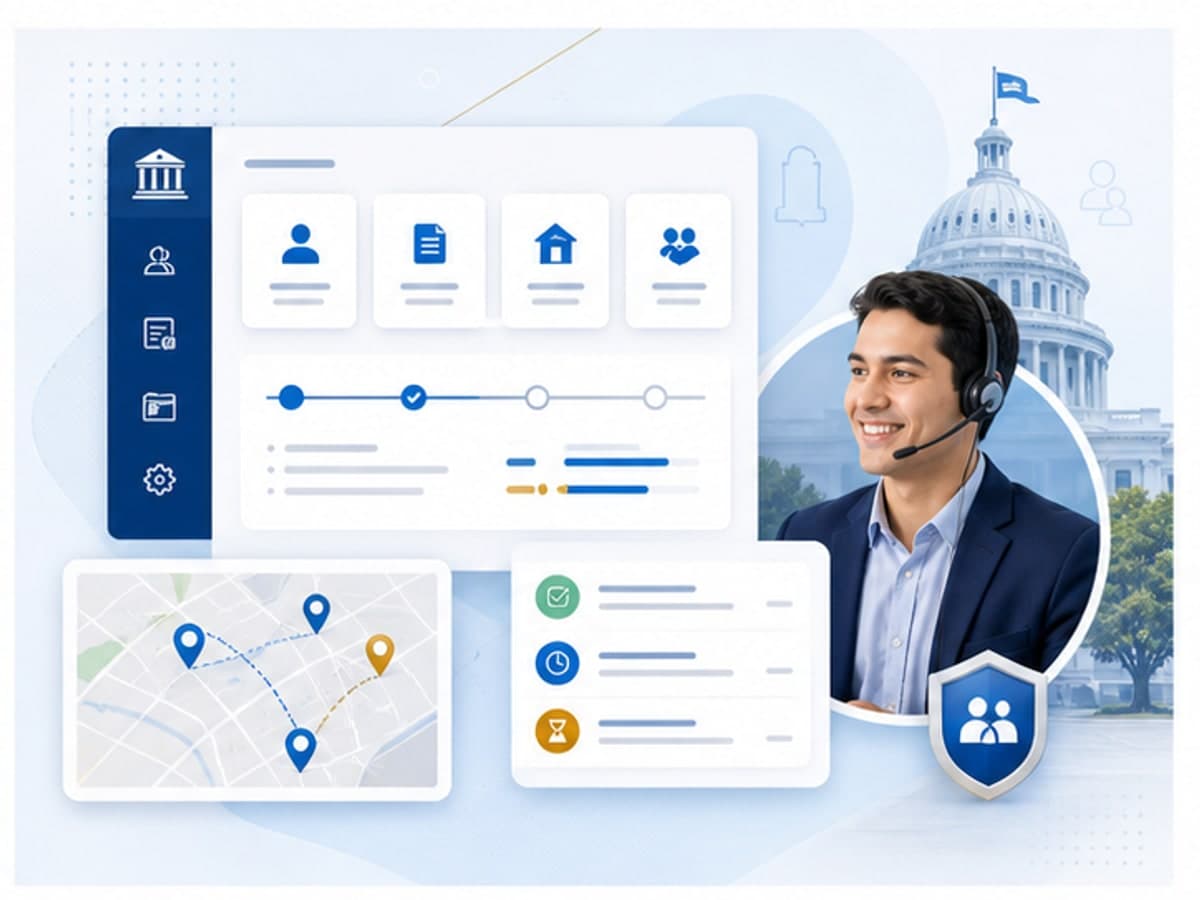
How law firms and legal service providers use outsourced call centers for client intake, appointment scheduling, and 24/7 answering — without compromising confidentiality or intake quality.
Why legal intake is a call center problem
For most consumer-facing practices — personal injury, family, criminal defense, immigration, bankruptcy — the phone is where cases come from. And the economics are unforgiving: a missed call from an injured prospect is not a missed message, it is a case that signed with the next firm on the search results. Legal intake is a speed-and-coverage business, which is exactly what call center operations are built for.
What legal call center programs handle
- New client intake: answering every inquiry live, running the qualification script (case type, jurisdiction, statute concerns, conflict screening basics), and capturing the facts the attorney needs for a take/decline decision.
- 24/7 and overflow answering: accidents and arrests do not happen during office hours. After-hours coverage is where intake programs earn their keep.
- Appointment scheduling: booking consultations directly into the firm's calendar and confirming to reduce no-shows.
- Retainer follow-up: structured follow-up with prospects who did not sign on the first call — where a large share of signed cases actually come from.
- Client status calls: fielding "any news on my case?" calls with approved information, protecting attorney and paralegal time.

The confidentiality question, answered properly
Legal teams rightly ask whether outsourced intake threatens privilege and confidentiality. The answer is operational, not theoretical:
- Intake agents collect facts under defined scripts — they do not give legal advice, ever. That line is trained, monitored, and scripted around.
- Confidentiality obligations flow through the contract: NDAs, background-checked agents, restricted system access, and call recording controls.
- Data handling should match what the firm itself would defend: access on a need-to-know basis, secure systems, and clear retention rules.
- Conflict-sensitive details are captured and flagged for attorney review rather than interpreted by the agent.
What separates good legal intake from an answering machine with staff
The difference is conversion discipline. A good program measures answer speed, but it manages signed cases: qualification accuracy, empathy on what is often the worst day of the caller's life, speed of attorney follow-up on qualified leads, and persistent, respectful follow-up on undecided prospects. Firms that treat intake as a clerical function lose cases to firms that treat it as a sales operation with a duty of care.
Global Empire Corporation runs legal intake and answering programs with confidentiality controls, defined scripts, and conversion reporting. See our legal call center services and 24/7 answering services, or request a proposal.
Intake quality is where legal answering programmes are won
For a law firm, the phone is not a support channel — it is the top of the case pipeline, and the economics are unforgiving. A missed or badly handled intake call is not a service failure, it is a case that signed with another firm, and in contingency practice areas a single lost matter can exceed the annual cost of the entire answering programme. That asymmetry should drive the design: the programme is measured on qualified intakes captured, not on calls answered.
Good legal intake has a specific shape. The screening questions are set by the firm and asked in order, because jurisdiction, dates and conflict-relevant details determine whether the matter is viable at all. The empathy is real but bounded — callers are often in the worst week of their lives, and the intake has to gather facts without either coldness or the appearance of legal advice, which a non-lawyer must never give. The handoff is immediate for viable matters: speed-to-signature is the single strongest predictor of conversion, so a hot transfer or a same-hour callback from the firm beats a next-day summary email by a wide margin.
Confidentiality obligations arrive earlier than most buyers assume — prospective-client information carries duties before any engagement exists, so conflict screening at intake and disciplined handling of what callers disclose are requirements, not refinements. And measurement should follow the pipeline: intakes by practice area, qualification rate, transfer speed, and signed-matter conversion, reviewed with the firm monthly. A programme reporting answer rates to a firm that lives on signed cases is measuring the wrong end of the funnel.
Frequently asked questions
Can a call center give legal advice?
No — and a properly run legal program is built around that line. Agents collect facts, qualify against defined criteria, schedule consultations, and relay approved information only. Anything resembling advice is routed to the attorney.
How is confidentiality protected with outsourced legal intake?
Through contractual confidentiality obligations, background-checked agents under NDA, need-to-know system access, controlled call recording and retention, and scripts that capture conflict-sensitive details for attorney review rather than agent interpretation.
Why do law firms outsource intake instead of using reception staff?
Coverage and conversion. Prospects call nights and weekends and sign with whoever answers; trained intake teams answer live around the clock, qualify consistently, and follow up persistently — measured on signed cases rather than answered calls.
What practice areas benefit most from intake outsourcing?
High-inquiry-volume consumer practices: personal injury, family law, criminal defense, immigration, bankruptcy, and mass tort campaigns where response speed and follow-up discipline directly drive signed cases.
What should a firm measure in an intake program?
Answer rate and speed, qualification accuracy, consultation show rate, signed-case conversion, and speed of attorney follow-up on qualified leads — the funnel from first ring to retainer.
By industry
Keep reading
The rest of this cluster, for the question you are actually working through.
- Financial Services Call Center Outsourcing: A Compliance-First Guide
- Ecommerce Customer Service Outsourcing: Peaks, Channels and Returns
- Hospitality Call Center Outsourcing: Reservations, Guests and Peak Demand
- Manufacturing Call Center Outsourcing: Order Desk, Dealer Support and Warranty Lines
- Retail Call Center Outsourcing: Peak Season, WISMO and Returns Done Right
- Healthcare Customer Support Outsourcing: Patient Access Without the Compliance Risk
- Telecom Call Center Outsourcing: Churn, Tier-1 Tech Support and Billing at Volume